

SAGE MEDICAL CLINIC | HAIR TRANSPLANT CLINIC | WE CARE ABOUT YOUR HAIR
Hair Transplant Treatment in Singapore
Regain your hair and confidence
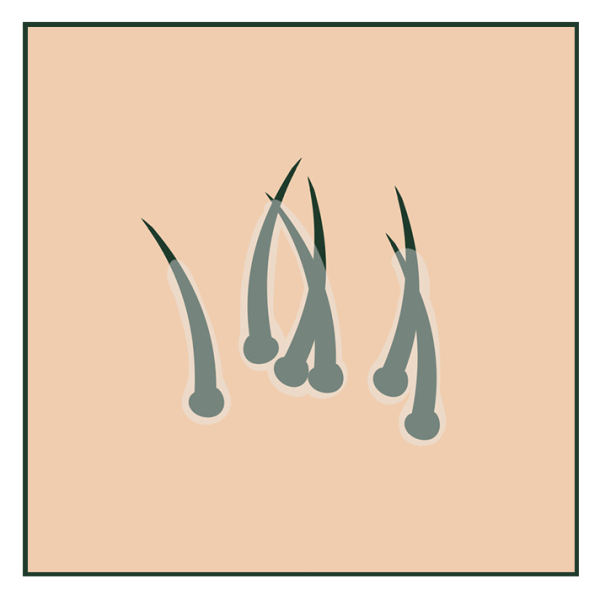
Sage Medical Clinic offers Follicular Unit Excision (FUE) hair transplants for both men and women. With this minimally invasive procedure, our professionals will carefully extract individual follicular units from donor areas and transplant them into thinning or balding scalp areas. If you want to know more about this treatment, consult our professionals.
Restore a Youthful Hairline
Meet the Hair Transplant Team
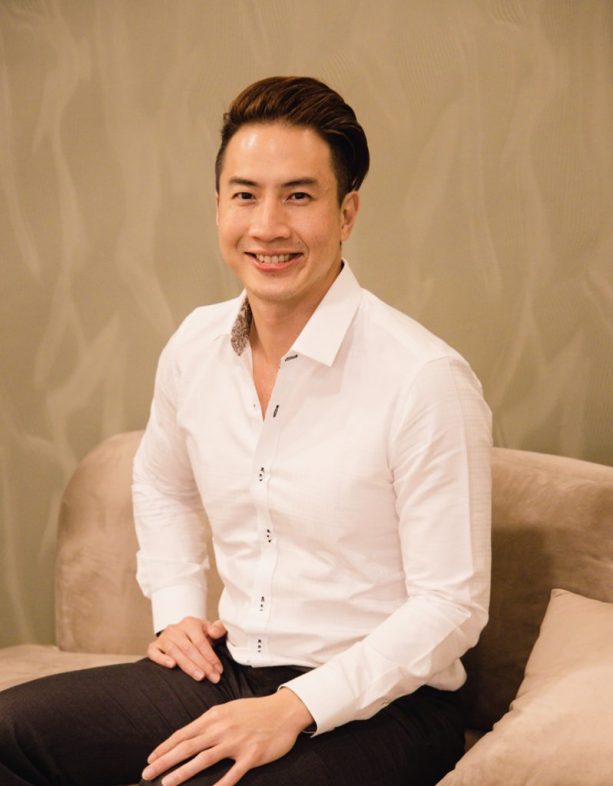
Dr. Zhang Yi Jun

Dr Zhang Yi Jun
Dr Zhang Yi Jun is a medical practitioner with specialised training in dermatology and non-invasive medical aesthetics. After receiving his medical and postgraduate qualifications from the National University of Singapore and further dermatology training from Cardiff University in the UK, Dr Zhang founded Sage Medical Clinic. His clinical practice focuses on comprehensive approaches to hair restoration and aesthetic enhancements, leveraging his understanding of dermatological health to support patient outcomes in hair loss treatments.
Dr Zhang Yi Jun, Founder and Medical Director/Surgeon of Sage Medical Clinic, has carefully reviewed the information on this page.
What is the Success Rate of Hair Transplants?
Studies such as “Review of Factors Affecting the Growth and Survival of Follicular Grafts,” published in the National Library of Medicine, emphasise the importance of the patient’s health status, hair characteristics, and surgical technique for the potential success of hair transplants. These studies report that the survival rates of transplanted follicles typically range from 90% to above 100%, suggesting a potentially high level of efficacy in hair transplantation when performed under ideal conditions.
Hair transplants, such as Follicular Unit Extraction (FUE), are believed to be definitive and have a proven track record. Not just a mere hair transplant for hair on the scalp, FUE hair transplants can also be done on the face, as well as in scarred bald patches. However, there is currently no available study presenting the long-term outcomes following the FUE procedure.
According to the article “Effect of Follicular Unit Extraction on the Donor Area,” published in the National Library of Medicine, critical factors that influence the success of an FUE surgery are the quantity of hair extracted from the donor region and the transection rate (percentage of follicular units damaged due to extraction-related mechanical trauma). Other factors include age, type of baldness, family history, health status, and environment.
Am I a Suitable Candidate for Hair Transplants?
Even after implementing several hair loss treatments, such as topical treatment applications or taking oral medication, hair growth can still be an issue that makes one uncomfortable, until it affects their quality of life. And while male and female pattern hair loss is common, surgical hair transplantation becomes an option when it progresses to a permanent issue or affects a large area of the scalp. However, not all individuals experiencing hair loss and balding are suitable candidates for hair transplant treatments, as stated in journal articles published in the National Library of Medicine.
Factors that surgeons consider include:
Age
While no specific age limit exists, individuals who have reached adulthood and have stable hair loss patterns are generally regarded as suitable candidates. Younger patients may also be advised to wait until their hair loss pattern stabilises before undergoing a hair transplant.
Sex
Hair transplants are suitable for both men and women experiencing hair loss. The underlying cause and pattern of hair loss may differ between men and women, but the transplant procedure can help address these concerns in both cases.
Genetics
If you have a family history of hair loss, it increases the likelihood of experiencing hair loss yourself. However, hair transplant procedures can address genetic hair loss by transplanting healthy hair follicles to areas of thinning or balding hair.
Stress
According to a study published in the National Library of Medicine, hormones have a profound influence on hair growth, affecting the hair cycle and the structure of hair follicles. Disturbances in hormonal balance can lead to various changes in hair growth and cycling, especially in women. For example, Polycystic ovary syndrome (PCOS), characterised by the presence of cysts on a woman’s ovaries, is accompanied by a range of associated signs and symptoms, including hair loss.
Additionally, discontinuing certain medications can temporarily disrupt hormonal equilibrium, potentially leading to hair loss.
Hormones
According to a study published in the National Library of Medicine, hormones have a profound influence on hair growth, affecting the hair cycle and the structure of hair follicles. Disturbances in hormonal balance can lead to various changes in hair growth and cycling. For example, Polycystic ovary syndrome (PCOS), characterised by the presence of cysts on a woman’s ovaries, is accompanied by a range of associated signs and symptoms, including hair loss. Additionally, discontinuing certain types of medication can result in a temporary disruption of hormonal equilibrium. For women affected by such hormonal imbalances, one potential consequence is the development of thinning hair or even hair loss on their scalp. As such, these conditions require a comprehensive approach to diagnosis and treatment to effectively address their impact on hair health before considering hair transplants.
Diet
Nutrient deficiencies can contribute to hair loss, but identifying and addressing them should be based on an individual’s medical history and physical examination. These deficiencies can stem from various factors, including genetics, medical conditions, or dietary habits.
Scalp Infection
Scalp infections, as noted by the American Academy of Dermatology Association, can manifest as scaly and occasionally inflamed patches on the scalp. Notably, individuals may observe what appear to be tiny black dots on the scalp, which are, in fact, hair remnants. In more severe cases, some individuals may even develop a bald spot due to such infections. Individuals with scalp infections should generally avoid undergoing a hair transplant until the infection has been successfully treated.
What Type of Tests Will We Conduct to Assess Suitability for FUE Hair Transplant Surgery?
During the consultation at a hair clinic in Singapore, several tests will be conducted to assess the patient’s suitability for FUE hair transplant treatment. Some of these tests may include:
Medical and Family History Analysis
This analysis may include assessing any hereditary patterns of hair loss, previous medical treatments, and current health conditions. It’s essential to disclose all medications being taken, as some may affect the transplant process or overall hair growth.
Physical Examination
A physical examination of the scalp and hair will be performed to assess the density of hair follicles available for transplantation and the scalp’s overall condition, ensuring the donor areas are healthy and capable of supporting successful outcomes.
Microscopic Examination
Microscopic examination helps identify potential issues that might not be visible to the naked eye, such as miniaturised follicles or scalp infections.
Additional Tests
In some cases, additional tests, such as blood tests or scalp biopsies, may be recommended to further evaluate the underlying causes of hair loss and ensure suitability for surgery. Blood tests, for example, might be used to screen for systemic conditions that could affect hair growth or wound healing. Hormonal imbalances, which are often associated with hair loss, can also be assessed through specific tests. When scalp conditions are suspected, dermatological evaluations, including biopsies, may be performed to detect and address underlying skin conditions.
What Type of FUE System Does Sage Medical Clinic Use?
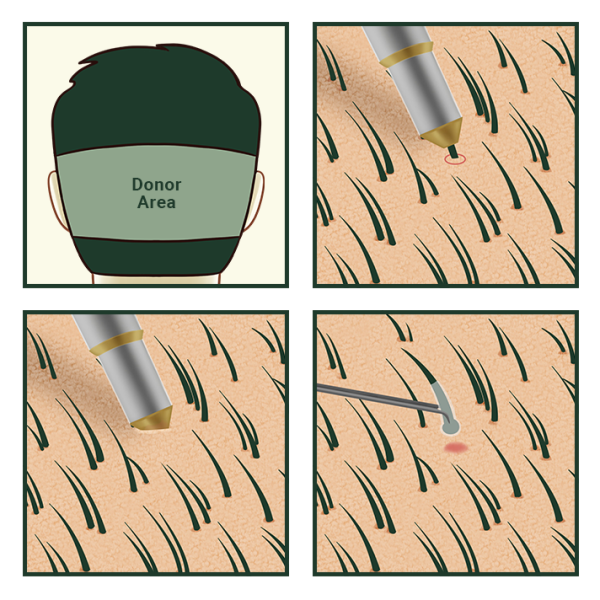
There are two primary methods in FUE hair transplantation: Manual FUE and Robotic FUE. Manual FUE involves a surgeon who uses a handheld tool to extract individual hair follicles from the donor area. Conversely, Robotic FUE employs a robotic hair transplant device guided by the physician.
Sage Medical Clinic uses the Manual FUE system as it offers control and flexibility, allowing our surgeons to tailor each extraction to the patient’s unique needs. This hands-on approach ensures that each follicle is carefully harvested, contributing to the overall success and a potentially natural appearance of the transplant.
How Long Will a Hair Transplant Procedure in Singapore Take?
This depends on the number of grafts required to complete the hair transplant, so for serious hair loss conditions, the time required for the FUE hair transplant treatment may be extended. In general, however, the procedure takes approximately 6 to 9 hours. But do note that the specific timeframe will be determined during your consultation based on the extent of your hair loss and the number of grafts needed.
Learn More About Hair Transplants with Sage Medical Clinic Today
To learn more about FUE hair transplant and to discuss your specific hair loss concerns, consider scheduling a consultation with Sage Medical Clinic. During this consultation, our hair specialists will conduct a thorough assessment and offer treatment recommendations based on your needs. Take the first step towards regaining your hair and confidence, and learn how a targeted hair restoration approach can potentially transform your appearance and self-perception.
What Are the Signs and Symptoms of Hair Loss?
There is a common misconception that only men are impacted by hair loss. However,